Comprehensive Guide to Buying Used Containers for Your Business Needs
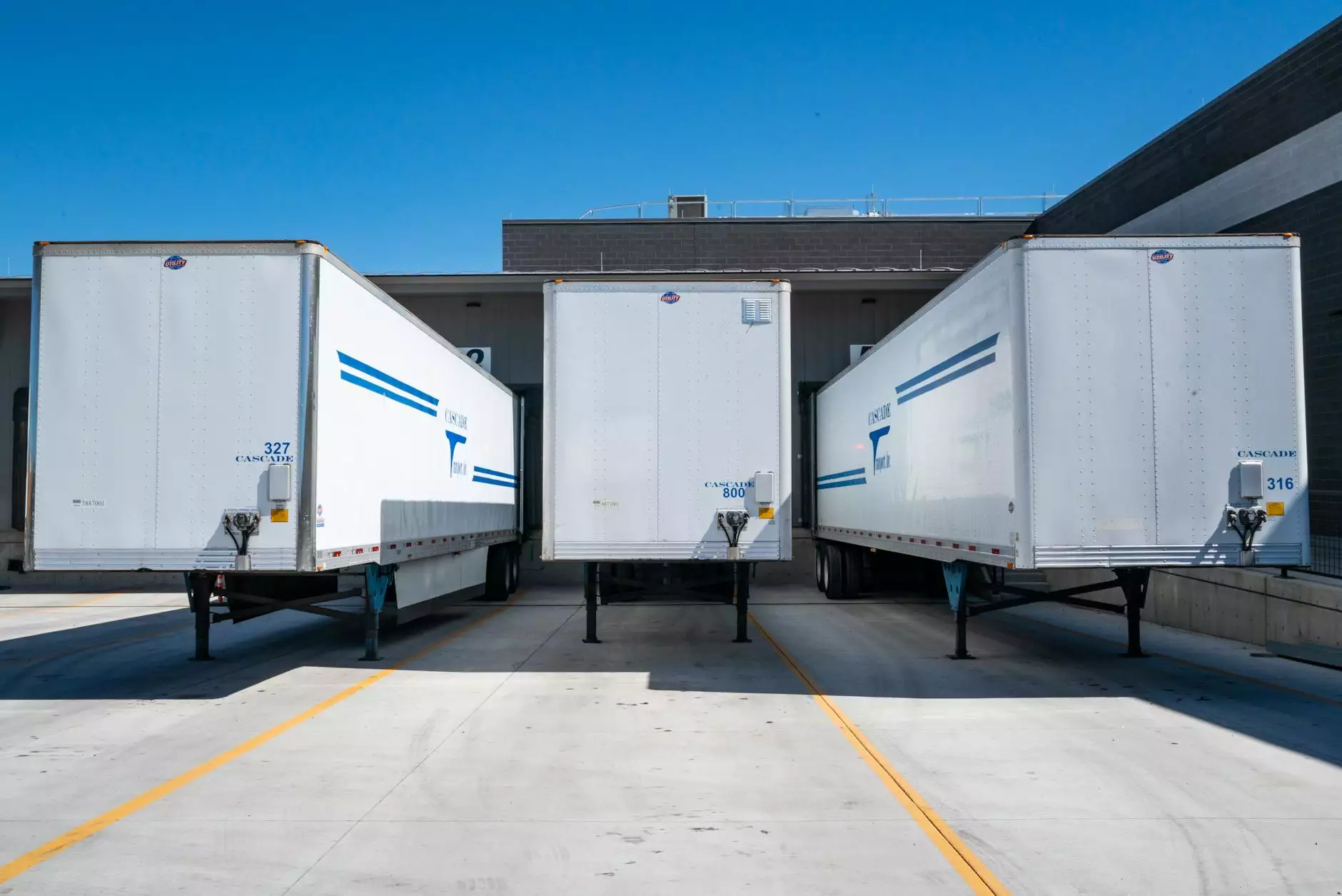
In the rapidly evolving world of logistics, construction, storage, and shipping, used containers have become an essential asset for a multitude of business applications. Whether you're expanding your warehouse capacity, seeking affordable shipping solutions, or looking to develop innovative infrastructure, understanding the intricacies of buying used containers is vital. This detailed guide explores everything you need to know about acquiring quality used shipping containers, the benefits they bring, the types available, and expert tips to ensure you make smart purchasing decisions.
Why Business Owners and Entrepreneurs Are Turning to Used Containers
Used containers offer an economical, sustainable, and versatile solution for a broad range of business requirements. Here are the compelling reasons why more companies prefer to buy used containers:
- Cost-Effectiveness: Significantly lower initial investment compared to new units, freeing up capital for other critical operations.
- Sustainability and Eco-Friendliness: Reusing containers reduces environmental impact and promotes green business practices.
- Availability and Quick Delivery: Used containers are readily available, ensuring faster procurement and deployment.
- Durability and Strength: Most used containers have proven their robustness over time, making them reliable for long-term use.
- Flexibility in Application: Ideal for storage, transportation, mobile offices, pop-up shops, and creative repurposing.
Types of Shipping Containers Available for Purchase
The market for used shipping containers is diverse, offering different sizes, features, and modifications based on needs:
Standard Shipping Containers
These are the most common and are typically used for freight transport. They come in sizes such as 20-foot and 40-foot models, offering ample space for cargo. They are built to international standards, ensuring durability.
High Cube Containers
Distinguished by their extra height (about 1 foot more than standard containers), high cube containers provide additional vertical space, perfect for bulky items or maximizing storage capacity.
Open-Top Containers
Designed with a removable roof, these containers facilitate the transportation of oversized or irregularly shaped cargo that cannot fit through standard doors.
Refrigerated (Reefer) Containers
Equipped with cooling units, reefer containers are used for shipping perishable goods. Used refrigerated containers are available at a lower cost, suitable for cold storage needs.
Flat-Rack and Platform Containers
Ideal for heavy and oversized equipment, these containers have collapsible or open sides, offering maximum versatility for special cargo.
How to Buy Used Containers: Key Factors to Consider
Buying used containers involves more than just selecting the right size. It’s crucial to assess the quality, condition, and suitability for your specific application. Here are comprehensive tips to guide your purchase:
1. Evaluate the Container's Condition
- Inspect for corrosion, rust, and structural integrity—these issues can compromise durability.
- Check for dents, holes, or damage to the walls, roof, and flooring.
- Ensure that doors operate smoothly and seal properly to prevent leaks or theft.
- Verify that the corners and frame are not bent or weakened.
2. Confirm the Container's Dimensions and Compatibility
Ensure the size matches your operational needs (20-ft, 40-ft, or custom sizes). Verify the internal dimensions and weight capacity to match the intended load and space requirements.
3. Determine the Container's History and Provenance
- Ask about its previous use—was it for shipping chemicals, food, or general cargo? This can influence cleaning and modification requirements.
- Ensure that the container was not used for hazardous materials unless properly decontaminated.
- Request maintenance and inspection records if available.
4. Understand Pricing and Value
- Compare prices from reputable suppliers like ContainersQRS, ensuring transparency about the container’s age and condition.
- Beware of deals that seem too good to be true; quality matters for longevity.
- Factor in transportation and modification costs when budgeting.
5. Verify Seller Credibility
- Buy from established, trustworthy suppliers with positive reviews and clear return policies.
- Request detailed photos and specifications before purchase.
- Seek warranties or guarantees on the used units.
Benefits of Purchasing Used Containers from Trusted Suppliers like ContainersQRS
Partnering with an experienced supplier such as ContainersQRS ensures access to high-quality used containers that meet your expectations. Here are some advantages:
- Extensive Inventory: A vast selection of containers in different sizes and conditions, tailored to various industries.
- Quality Assurance: Rigorous inspection processes guarantee that each container is structurally sound and ready for use.
- Competitive Pricing: Transparent pricing models with options for discounts on bulk orders.
- Customization Services: Sourcing containers that can be modified to meet unique operational needs.
- Exceptional Customer Support: Expert guidance throughout the purchasing process, from selection to delivery.
Innovative Uses for Used Shipping Containers in Business
Beyond traditional shipping and storage, used containers have become a creative resource for entrepreneurs and businesses:
- Modular Offices and Pop-Up Shops: Convert containers into trendy, mobile commercial spaces for retail, cafes, or offices.
- Affordable Housing and Emergency Shelters: Use containers for rapid, durable housing solutions in disaster zones.
- Industrial and Agricultural Storage: Securely store tools, equipment, or harvested crops, reducing storage costs.
- Event Spaces: Create portable venues for festivals, trade shows, or private events.
- Art Installations and Gyms: Transform containers for unique exhibitions or fitness centers.
Environmental Impact and Sustainability of Used Containers
Choosing to buy used containers aligns with eco-friendly business practices. Reusing containers reduces the demand for new manufacturing, cutting down on resource consumption and emissions. Additionally, repurposing containers into functional structures extends their lifespan and prevents waste accumulation.
Conclusion: Your Strategic Investment in Quality Used Containers
In the competitive landscape of business logistics and infrastructure, making the right choice in storage and shipping solutions can significantly impact your operational efficiency and bottom line. Buying used containers is a smart, sustainable, and economical decision that offers unmatched versatility and durability. Whether you need standard units for shipping, customized storage, or innovative structures, trusted suppliers like ContainersQRS provide high-quality options backed by expertise and excellent service.
Remember, thorough inspection, understanding your specific needs, and partnering with reputable suppliers will ensure you acquire containers that serve your business reliably for years to come. Embrace the sustainable future of logistics and storage—consider buying used containers today to unlock endless possibilities for growth and innovation.