Why Firewood is Essential for Your Home and Business
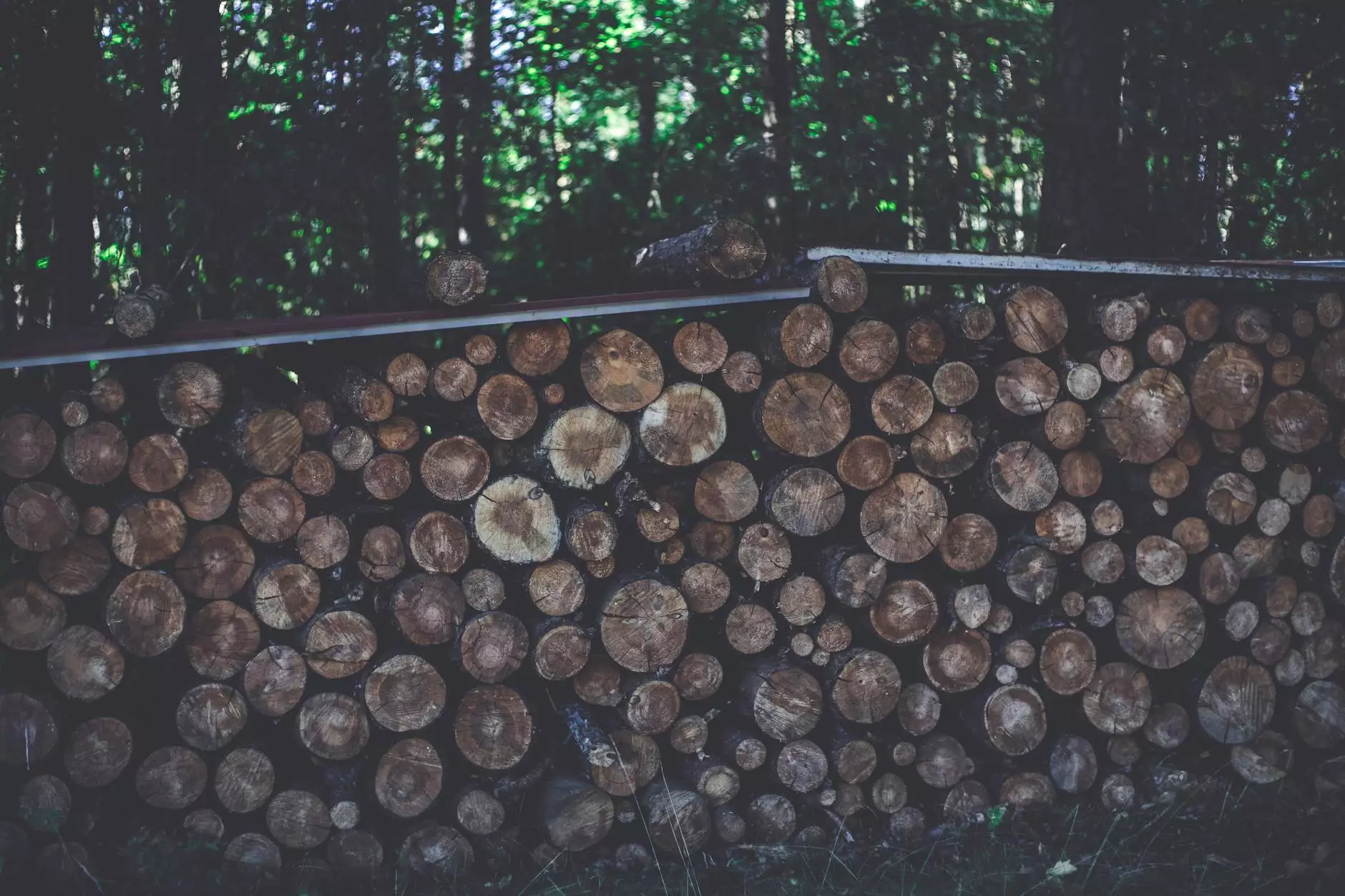
In today’s world, where energy sources continue to evolve, firewood remains a timeless and effective choice for both residential and commercial heating needs. Leveraging the natural properties of wood, consumers can enjoy warmth, ambiance, and the benefits of sustainability. In this comprehensive guide, we'll explore various aspects of firewood and how it can enhance your living and working environments.
The Versatility of Firewood
Firewood serves a multitude of purposes. Its versatility is one of the reasons why it has been utilized for centuries:
- Heating: Firewood is a primary source of heat for many homes, especially in rural areas where alternative energy sources may be limited.
- Cooking: Outdoor cooking methods, such as pizza ovens and fire pits, often rely on quality firewood to deliver great flavor and heat.
- Ambiance: A crackling fire provides an inviting atmosphere, ideal for gatherings with family and friends.
- Craftsmanship: Wood can be transformed into beautiful furniture, decorations, and artwork, promoting craftsmanship.
Choosing the Right Firewood
Not all firewood is created equal. Selecting the appropriate type is crucial for maximizing heat output and efficiency. Here are key factors to consider:
Types of Firewood
Firewood can be categorized into two main types: hardwood and softwood.
- Hardwoods: Species like oak, maple, and hickory are dense and ideal for long burns and high heat output.
- Softwoods: Pines and spruces ignite quickly and burn hotter initially, making them suitable for kindling but less efficient for long burns.
Moisture Content
The moisture content of firewood is essential for effective burning. Wood should ideally have a moisture content of less than 20%. Seasoned wood is aged to reduce moisture and ensure better combustion. Check for signs of seasoned wood:
- Cracks: The ends of logs should show cracks.
- Weight: Seasoned wood is lighter than freshly cut wood.
- Sound: When two pieces are struck together, they should produce a sharp sound.
Storing Firewood
Proper storage of firewood is crucial to maintain its quality and usability. Here are key storage tips:
Location
Store firewood in a location that is protected from rain and has good air circulation. Here are a few effective storage options:
- Under a tarp: A tarp can protect wood from the elements while allowing airflow.
- Wood racks: Use a wood rack to elevate the wood off the ground to prevent moisture absorption from soil.
- Covered sheds: Building a dedicated wood shed will ensure longevity and accessibility.
Organization
Organizing your wood by type and size can simplify your heating and cooking processes. Separate hardwood from softwood, and stack them securely to avoid hazards. Keep smaller pieces for kindling and larger logs for sustained burns.
The Economic Benefits of Using Firewood
Using firewood can also provide significant economic advantages:
- Cost-Efficiency: Firewood is often less expensive than electricity and gas in many regions, especially when sourced locally.
- Self-Sufficiency: By harvesting and processing your own firewood, you can decrease your dependence on outside energy suppliers.
- Income Potential: If you have access to a forest or land, the sale of firewood can be a profitable side business.
The Environmental Impact of Firewood
Firewood is considered a renewable resource, particularly when sourced sustainably. The environmental benefits include:
- Carbon Neutrality: Burning wood releases carbon dioxide that is absorbed by trees during their growth, making it a carbon-neutral heating option.
- Waste Reduction: Utilizing wood from dead or fallen trees can help reduce forest waste.
- Habitat Preservation: Sustainable logging practices can promote biodiversity and ecosystem health.
Utilizing Firewood for Cooking
Cooking with firewood can deliver delightful flavors that are hard to replicate with gas or electric cooking methods. Firewood cooking techniques include:
Outdoor Fire Pits
Fire pits can enhance gatherings with the added excitement of cooking outdoors. Foods like s'mores, skewered meats, and roasted vegetables take on unique flavors when cooked over a wood fire.
Wood-Fired Ovens
A wood-fired oven can reach higher temperatures than conventional ovens, perfect for making pizza, artisan bread, and more. The heat retention allows for even cooking and delightful smoky flavors.
Conclusion
Firewood is not merely a source of heat; it embodies a lifestyle choice that merges tradition, sustainability, and practicality. Whether you are using it for heating, cooking, or ambiance, understanding the benefits and best practices associated with firewood can enrich your personal and professional life. For more information on quality firewood, visit wood-trans.com today and explore the possibilities.
Call to Action
Are you ready to enhance your space with the warmth and beauty of firewood? Start your journey by sourcing the finest firewood from experts at wood-trans.com. Experience the incredible benefits that only high-quality firewood can provide!
https://wood-trans.com/