Why Consider a Cornish Rex for Adoption?
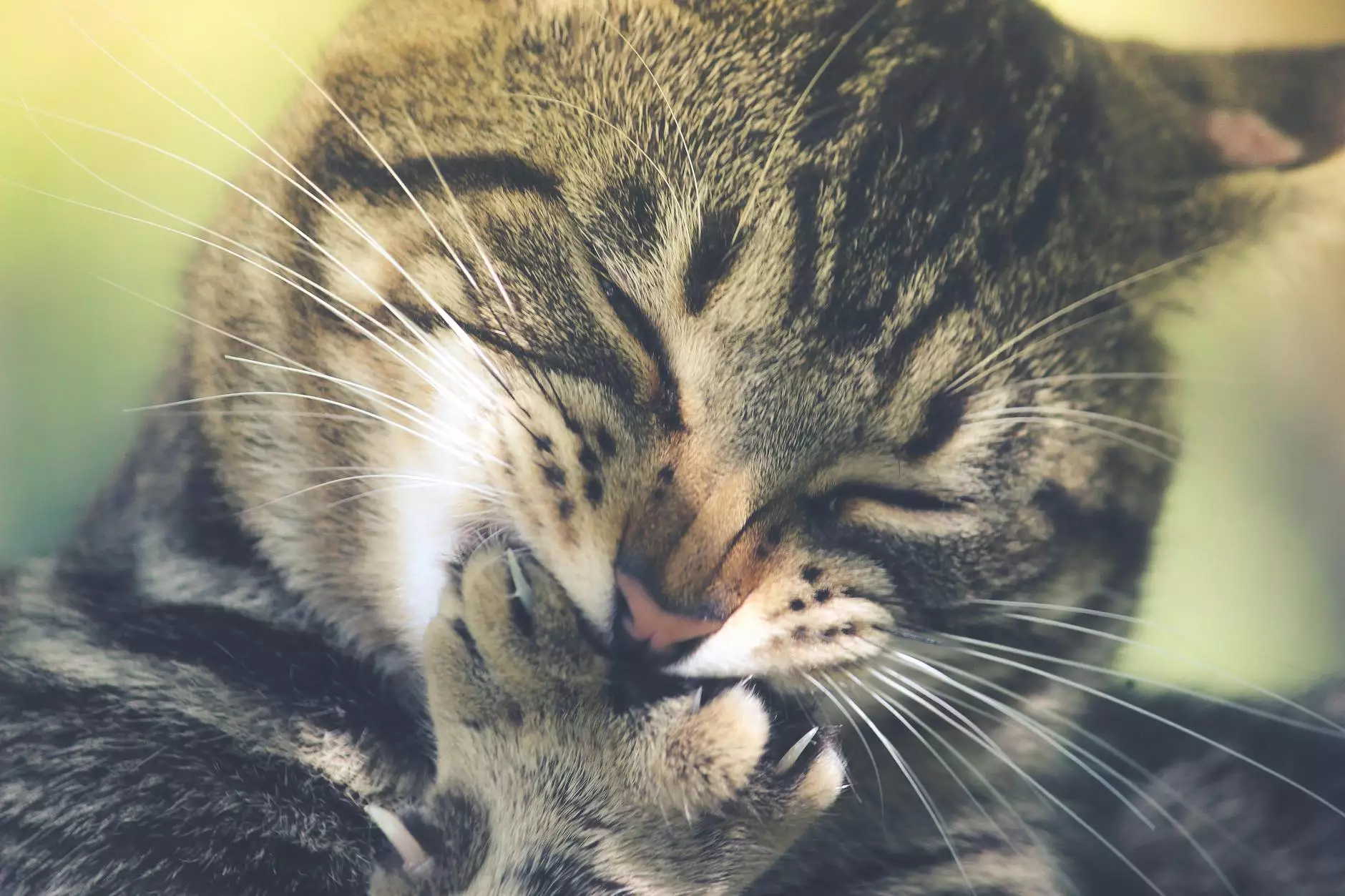
The Cornish Rex is not just a cat; they are a unique breed known for their distinctive curly fur, playful personality, and wonderful companionship. If you're contemplating adding a feline friend to your home, adopting a Cornish Rex can be one of the most rewarding decisions you'll ever make. This article will delve into the captivating world of Cornish Rex cats, their characteristics, care requirements, and how to find one for adoption.
The Alluring Characteristics of the Cornish Rex
Cornish Rex cats are often described as "dog-like" due to their high energy levels and affectionate nature. Here are some of their most notable characteristics:
- Curly Coat: One of the most striking features of the Cornish Rex is their unique wavy, soft coat. This breed has a short and curly fur that requires minimal grooming, making them a low-maintenance choice.
- Active and Playful: Cornish Rex cats are highly energetic. They love to play, jump, and explore their surroundings. This makes them excellent companions for active families.
- Affectionate Temperament: Known for their loving nature, these cats are typically very affectionate and often seek out human companionship. You'll find a Cornish Rex often by your side, ready to cuddle.
- Intelligence: These cats are not just playful; they are also incredibly smart. They can be trained to do tricks and even walk on a leash!
- Social Creatures: Cornish Rexes thrive in social settings. They are friendly towards other pets and children, making them ideal for families.
Caring for Your Cornish Rex
When you decide to adopt a Cornish Rex, understanding their care requirements is crucial for ensuring a happy and healthy life for your new furry friend. Here are some important aspects to consider:
Diet and Nutrition
A balanced diet is essential for your Cornish Rex. Their unique metabolism means they require high-quality protein in their meals. Consider the following points:
- Choose high-protein cat food that is specifically designed for active breeds.
- Provide fresh water daily and consider a water fountain to encourage hydration.
- Monitor their weight to prevent obesity, which can lead to health issues.
Grooming Needs
Despite their unique coat, Cornish Rex cats require relatively little grooming compared to other breeds. Here’s what you need to know:
- Brush their coat weekly to keep it healthy and remove any loose hairs.
- Regularly check and clean their ears to prevent infections.
- Consider regular nail trimming to maintain their paw health.
Health Considerations
Cornish Rexes are generally healthy cats, but like all breeds, they may have predispositions to certain health issues. Here are some conditions to be aware of:
- Hypertrophic Cardiomyopathy (HCM): This is a common heart condition in cats. Regular veterinary check-ups can help monitor heart health.
- Skin Issues: Though they have a unique coat, they can be prone to certain skin conditions, so regular vet visits are advisable.
Adopting a Cornish Rex
If you are intrigued by the idea of welcoming a Cornish Rex into your home, adoption is a fantastic option. Here’s how to go about the process:
Finding a Cornish Rex for Adoption
There are multiple avenues to find a Cornish Rex for adoption:
- Local Animal Shelters: Many animal shelters and rescue organizations have cats available for adoption, including breeds like the Cornish Rex.
- Breed-Specific Rescues: Look for organizations that specialize in Cornish Rex rescues. They often have cats looking for new homes and can provide detailed information about their personalities and care needs.
- Online Adoption Platforms: Websites like Petfinder and Adopt-a-Pet list cats from various shelters and rescues, allowing you to filter by breed.
What to Expect During the Adoption Process
When you decide to adopt, be prepared for a thorough process aimed at ensuring that both you and the cat are a good match:
- Application and Screening: Most shelters will require an application and may conduct interviews to understand your living situation and experience with pets.
- Adoption Fee: Be prepared to pay an adoption fee, which typically covers initial veterinary care, vaccinations, and spaying/neutering.
- Home Visit: Some organizations may conduct a home visit to ensure a safe and loving environment for the cat.
The Benefits of Adopting a Cornish Rex
Beyond the joy of bringing a Cornish Rex into your home, there are countless benefits to adopting a cat:
- Saving a Life: Adoption means giving a cat a second chance at life. You are literally saving them from possible euthanasia.
- Cost-Effective: Adoption fees are generally less than purchasing from breeders, and many shelters include vaccines and spaying/neutering in the fee.
- Emotional Fulfillment: Providing a loving home for an animal in need can bring profound happiness and companionship.
Bringing Your Cornish Rex Home
Preparing your home for your new Cornish Rex is essential to ensure a smooth transition:
Creating a Safe Space
Before bringing your new cat home, set up a space where they can feel secure:
- Provide a comfortable bed in a quiet corner where they can retreat.
- Establish a litter box nearby and ensure it's accessible at all times.
- Offer toys and scratching posts to keep them engaged and active.
Conclusion: Your Journey with a Cornish Rex Begins
Adopting a Cornish Rex can be a joyful and fulfilling experience. Their playful personality, loving nature, and unique appearance make them excellent companions. By choosing to adopt rather than buy, you’re not just adding a pet to your family—you’re also making a positive impact on an animal's life. If you’re ready to bring a Cornish Rex into your home, start your search today! Visit your local shelters or check out breed-specific rescues. Your new best friend is waiting for you!
Additional Resources
For those interested in learning more or taking the next steps in adopting a Cornish Rex, consider visiting:
- IdealCornishKittens.com
- The Cornish Rex Cat Club for breed information.
- Resources on care and adoption from The ASPCA.