The Ultimate Guide to Caring for a Pet Turtle
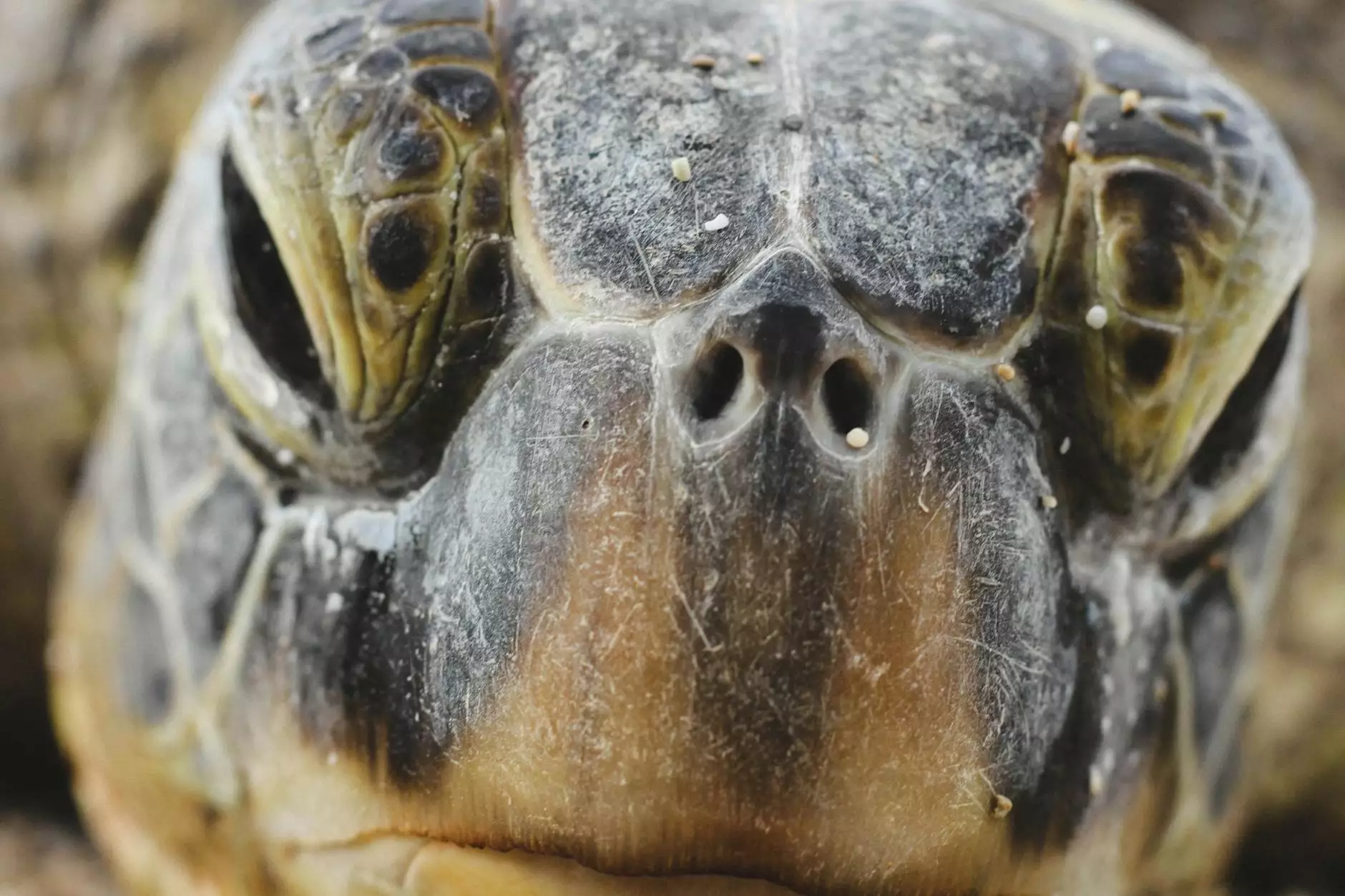
Welcome to the world of pet turtles! With their fascinating behaviors, unique personalities, and undeniable charm, pet turtles are becoming increasingly popular among reptile enthusiasts. Whether you are considering adopting one or looking to improve the care of your existing pet turtle, this comprehensive guide is designed to provide you with all the essential information you need.
Why Choose a Pet Turtle?
Pet turtles offer a unique experience compared to more traditional pets like dogs and cats. Here are a few reasons why they may be the perfect companion for you:
- Long Lifespan: Turtles can live for several decades, making them lifelong companions.
- Quiet and Low-Maintenance: Unlike dogs, they don’t require daily walks or noise management.
- Educational Experience: Caring for a pet turtle allows for a deeper understanding of reptiles and their ecosystems.
Understanding Different Species of Pet Turtles
Before diving into care specifics, it’s important to understand the types of turtles commonly kept as pets. The pet turtle family includes several popular species:
- Red-Eared Slider: Known for its distinctive ear markings, this species is adaptable and friendly.
- Painted Turtle: These turtles are colorful and enjoy basking in the sun. They thrive in both aquatic and semi-aquatic environments.
- Box Turtle: Unlike aquatic turtles, box turtles prefer land environments. They are known for their unique shells that can close shut.
- Map Turtle: These turtles feature striking patterns on their shells and usually prefer rivers and streams.
Preparing Your Home for a Pet Turtle
Setting up the perfect habitat for your turtle is crucial to its health and happiness. Here’s how to ensure an optimal environment:
Aquatic vs. Terrestrial Habitats
Determine the type of habitat you will need based on the species of turtle:
- Aquatic Turtles: Require a large aquarium with water that is deep enough for swimming. Include a basking area and a filtration system to keep the water clean.
- Terrestrial Turtles: Need a spacious enclosure with proper substrate, hiding places, and space to roam.
Essential Habitat Features
Your turtle's habitat should include:
- Water Quality: Use a high-quality filtration system and regularly change the water.
- Temperature Control: Maintain a warm area (approximately 85-90°F) and a cooler area (about 70°F) for your turtle.
- Basking Spot: Provide a spot for your turtle to sunbathe, with a heat lamp to mimic natural sunlight.
- Hideouts: Incorporate logs, rocks, or commercial hides where your turtle can feel secure.
Feeding Your Pet Turtle
Nutrition is key to your turtle’s well-being. Their dietary needs can vary based on species:
- Herbivorous Turtles: Such as box turtles, benefit from leafy greens, vegetables, and fruits.
- Carnivorous Turtles: Like red-eared sliders, require a diet of commercially available turtle pellets, insects, and occasional fish.
- Omnivorous Turtles: Some turtles will thrive on a balanced combination of plant and animal matter.
Regularly monitor their dietary habits and adjust food offerings to promote a healthy diet. It’s crucial to avoid overfeeding, which can lead to obesity and other health issues.
Health Care for Your Pet Turtle
Caring for your turtle’s health is just as important as providing a great habitat and diet. Here are essential tips:
Regular Veterinary Care
Just like dogs and cats, pet turtles require annual check-ups. A reptile veterinarian can help identify potential health issues and provide guidance on care.
Signs of Health Issues
Be vigilant in observing your turtle for these signs of potential health problems:
- Lethargy or lack of appetite
- Swelling or discharge from the eyes or mouth
- Shell abnormalities or color changes
- Floating or difficulty swimming
If you notice any of these symptoms, consult a veterinarian promptly.
Behavior and Socialization of Your Pet Turtle
Turtles are naturally solitary animals, but they can exhibit interesting behaviors that enhance your experience of keeping them. Understanding these behaviors can help you bond with your pet turtle:
Understanding Behaviors
Pet turtles exhibit a range of behaviors including:
- Basking: A vital behavior for thermoregulation and health. Ensure there is a basking area available.
- Swimming: Indicates a healthy and happy turtle. Ensure the water is clean and conducive to swimming.
- Hiding: Turtles will often hide when they feel insecure. Provide ample hiding spots for comfort.
Pet Adoption: Where to Get Your Pet Turtle
Finding a reputable source for your new pet turtle is critical. Here are some options:
- Pet Reptile Shops: Local reptile shops can often be the best place to find healthy turtles and knowledgeable staff.
- Pet Breeders: Research licensed breeders who specialize in turtles. Look for reviews and the quality of their breeding practices.
- Pet Adoption Centers: Many rescue organizations have turtles that need homes. Adopting can be a rewarding experience.
Conclusion
Investing time and effort into the care of your pet turtle can yield years of companionship and delight. From understanding their dietary needs to providing them with a secure habitat, every step taken to ensure their well-being enhances your experience as a pet owner. Remember to continually learn and adapt your care practices as your turtle matures. Taking care of a pet turtle can be deeply rewarding, and with the right information and commitment, you can provide a loving and healthy environment for your new friend.